

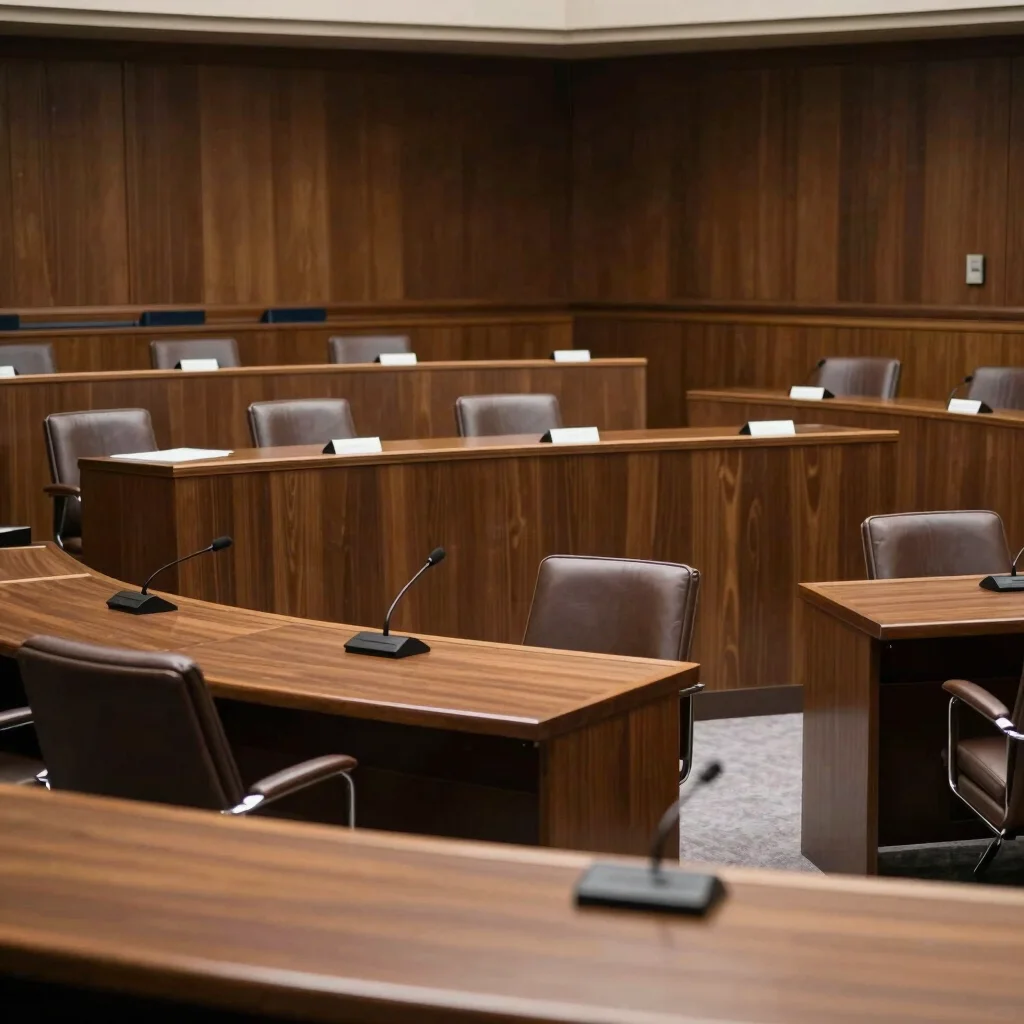
Before a high-profile bill ever reaches the legislative floor, its fate is largely determined within specialized committee rooms. Committee assignments dictate which representatives shape statutory language, manage amendments, and control hearing calendars. These procedural mechanics exert far more influence over the final text than public debate on the floor.
The Power of Jurisdictional Boundaries
Jurisdictional overlap between committees creates immediate strategic leverage. When a bill touches both finance and energy sectors, party leadership can steer the legislation toward whichever committee offers a smoother path. This choice subtly alters which interest groups gain early access and which provisions survive statutory drafting.
Markups and the Mechanics of Silence
Committee markup sessions are where substantive policy changes occur away from primary news coverage. Lawmakers trade quietly on specific language, offering concessions on regulatory enforcement in exchange for target funding in their home districts. By the time a bill is reported out, the core political trade-offs are already settled.
Tracking Incentives Beyond Rhetoric
Examining member voting records alongside committee markups highlights the institutional pressures at play. Policymaking is rarely driven by sudden partisan shifts; it is guided by procedural leverage and long-term committee alignment. Decoding these structural incentives provides a clearer picture of governance than analyzing cable news debates.